What Are the Most Common Roofing Installation Mistakes Homeowners Should Watch For?
24
Sep
A roof can look perfect from the ground and still hide costly installation errors. Poor measurements, weak flashing, bad ventilation, and loose fasteners can shorten roof life before you notice a problem.
The biggest roofing mistakes can start before installation
Roofing installation mistakes often begin with rushed planning. A contractor may overlook roof measurements, drainage, existing damage, or local weather conditions. Small errors here can create expensive problems later.
For homeowners researching roofing installation Collingwood, the goal should not be the lowest quote. You need correct planning, suitable materials, skilled installation, and clear answers before work begins.
A well-installed roof should handle rain, snow, ice, wind, and seasonal temperature changes. If the installation misses one key detail, water can find its way inside.
1. Poor roof measurements create expensive problems
Incorrect measurements are one of the easiest mistakes to prevent. Your contractor must calculate roof areas, slopes, valleys, ridges, edges, and material quantities accurately before ordering supplies.
If measurements are wrong, you may face material shortages, delays, mismatched materials, or unnecessary waste. Worse, rushed corrections can affect how roofing components fit together.
Ask your contractor how measurements were checked. A reliable roofing team should explain the process instead of simply giving you a number.
2. The wrong underlayment leaves your roof vulnerable
Shingles or metal panels are not your roof’s only protection. Underlayment sits beneath the outer roofing material and helps protect the deck from moisture.
Using the wrong product, installing it poorly, or skipping required areas can allow water to reach the roof deck. Moisture can then lead to rot, staining, mold, or costly repairs.
Ask what underlayment will be used and where it will be installed. Your contractor should also explain how the product suits your roof and climate.
3. Poor flashing can turn into a serious leak
Flashing protects areas where the roof meets walls, chimneys, vents, skylights, and other structures. These joints need careful attention because water naturally gathers around them.
Improperly installed flashing can create leaks even when the rest of the roof looks excellent. You may first notice a ceiling stain, damp insulation, or peeling paint indoors.
Before hiring a contractor, ask how flashing will be installed around every roof penetration. Do not accept a vague answer such as “we will seal it.”
4. Inadequate ventilation traps heat and moisture
A roof needs controlled airflow. Without proper ventilation, heat and moisture can build up inside the attic space.
That trapped moisture can damage insulation, wood, and other roof components. In cold weather, poor ventilation can also contribute to ice dam problems when conditions allow them to form.
Your contractor should consider intake and exhaust ventilation together. One without the other may not provide the airflow your attic needs.
5. Poor fastening can weaken the entire roof
Roofing materials need the right fasteners, placement, depth, and spacing. Too few fasteners can leave materials vulnerable to wind. Incorrect placement can also affect how components seal.
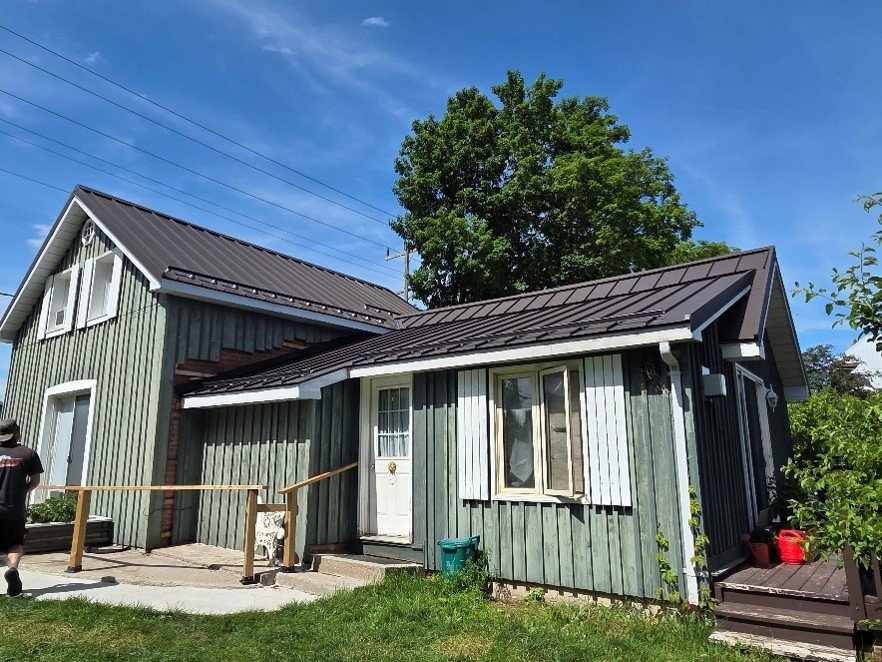
This matters particularly with metal roofing. A professional metal roof installation Innisfil project requires careful fastening because metal panels expand and contract with temperature changes.
Ask what fasteners will be used and how they will be placed. A good contractor should be comfortable explaining this detail.
6. Ignoring the existing roof deck causes hidden trouble
Installing new roofing over a damaged deck can hide a serious problem rather than fix it. The roof deck supports the roofing system, so its condition matters.
Your contractor should inspect the deck for soft spots, rot, water damage, or other weaknesses before covering it. Damaged sections may need repair or replacement.
This step can affect your final cost. That is not necessarily a bad sign. Finding damage early is usually better than discovering it after the new roof is installed.
7. Choosing materials without considering local weather
Not every roofing material suits every building or climate. Your roof needs materials that can handle the weather conditions it will face throughout the year.
In Canadian communities, snow, freezing temperatures, wind, rain, and repeated temperature changes can place stress on roofing systems.
Ask why a specific roofing material is recommended for your property. A trustworthy contractor should connect the material choice to performance, durability, maintenance, and your building’s needs.
8. How can you spot installation risks before hiring?
You do not need to become a roofing expert. You simply need to ask better questions before signing a contract.
Look for clear answers about:
- Roof measurements and material quantities
- Underlayment and moisture protection
- Flashing around roof penetrations
- Attic ventilation
- Fastener type and placement
- Roof deck inspection
- Cleanup and debris removal
- Warranty coverage
- Expected project timeline
For roofing installation Collingwood, you should also ask whether the contractor has experience working with the roofing system selected for your home.
What should a reliable roofing contractor explain?
A dependable contractor should explain what will happen, why each step matters, and what could change the project cost. You should never feel pressured to approve work you do not understand.
Look for written details covering materials, installation work, repairs, warranties, payment terms, and project expectations. Clear communication reduces surprises.
For urgent leaks, temporary protection may be needed before permanent repairs begin. Waiting can allow water damage to spread beyond the original leak area.
The simple way to protect your roofing investment
The best prevention starts before the first shingle, panel, or fastener reaches your roof. Check the contractor’s process, not just the finished price.
Ask questions. Review the scope. Confirm materials. Make sure ventilation and flashing are included. Most importantly, choose a team that treats installation quality as part of the roof’s long-term performance.
Final takeaway
A roof can fail because of one overlooked detail. Poor measurements, incorrect underlayment, weak flashing, poor ventilation, and bad fastening can all create problems that become expensive later. Careful planning and skilled installation help prevent them.
At 705 Roofing, we provide practical roofing solutions built for Canada’s demanding weather. We handle replacements, new construction, emergency repairs, and maintenance with careful workmanship. Call (705) 770-0636 or email 705roofing@gmail.com to discuss your roofing needs.
Popular post..

Frequently Asked Questions
What is the most common roofing installation mistake?
Poor flashing, incorrect fastening, inadequate ventilation, and measurement errors are common problems. Any one of these can reduce roof performance and increase future repair needs.
How do I know if my contractor measured the roof correctly?
Ask for the roof measurements and material estimate. A professional contractor should be able to explain how roof areas, slopes, edges, and waste were calculated.
Why is roof ventilation necessary?
Proper ventilation helps control heat and moisture in the attic. Poor airflow can contribute to moisture damage, roof deterioration, and certain cold-weather problems.
Should the roof deck be inspected before installation?
Yes. The deck supports the roofing system. Soft, rotten, or damaged sections may need repair before new roofing materials are installed.
What should I ask a roofing contractor before hiring?
Ask about materials, measurements, flashing, underlayment, ventilation, fastening, warranties, project timing, cleanup, and how unexpected roof deck damage will be handled.