

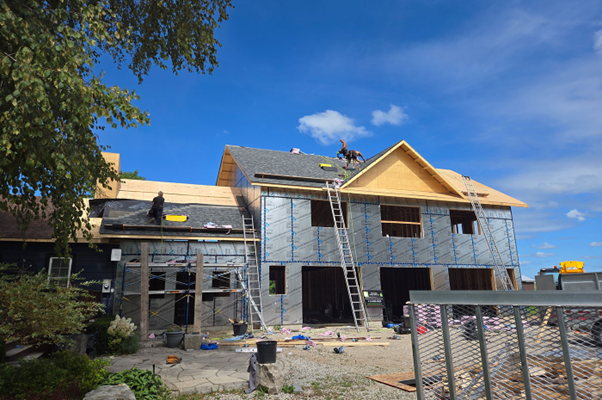
Most homeowners think a roof leak starts with a drip. In reality, a storm-damaged roof can hold gallons of water in your insulation like a heavy, sodden sponge long before you see a single spot on the ceiling. Waiting for the drip is often the most expensive mistake you can make after a big Canadian storm hits. It is time to check out options related to emergency roof repair Barrie.
Is your home safe to enter right now?
Before you worry about shingles, check your surroundings. High winds often knock down power lines or weaken large tree branches. If you see standing water near electrical outlets or hear shifting sounds in the attic, stay outside. Your safety matters more than the structure. Once the rain stops, walk around the yard to spot debris.
If you notice missing shingles or large dents, you need an emergency roof repair Barrie specialist immediately. Do not climb onto a wet, slippery roof yourself. Use binoculars from the ground to inspect the peaks and valleys. If there is a hole, you have a ticking clock. Water moves fast and can ruin your drywall and electrical systems in hours.
How do you stop the water from coming in?
You might feel the urge to grab a bucket, but you need a better shield. Temporary tarping is the gold standard for quick protection. Think of a tarp like a giant rain jacket for your house. It covers the wounded area so the “insides” stay dry until a pro can fix the shingles properly.
- Use Heavy-Duty Tarps: Thin plastic sheets from a grocery store won’t hold up against Canadian wind.
- Secure with Wood Strips: Nail the edges down using “furring strips” so the wind doesn’t catch the tarp.
- Extend Past the Peak: Always run the tarp over the ridge of the roof to prevent water from running under it.
- Clear the Gutters: Ensure water can actually leave the roof instead of pooling behind the damage.
Why is your smartphone your best friend today?
Insurance companies love proof. Before you move any debris or start cleaning up, take photos of everything. Capture the fallen hail next to a coin for scale. Film the water dripping into your living room. These “before” shots are the evidence you need to get your claim approved without a headache later.
Detailed documentation proves that the storm caused the damage, not old age. Keep a folder of these photos and any receipts for emergency supplies like plywood or plastic. This trail of breadcrumbs makes the adjuster’s job easier. When they see you were proactive, they are often much more helpful with the final settlement.
Who should you call to fix the mess?
You need a team that understands how to build for freezing winters and humid summers. Seeking professional roofing services Barrie ensures that your repair isn’t just a patch, but a long-term shield. Professionals have the right ladders, safety harnesses, and premium materials to restore your home’s “top-down” protection properly and quickly.
A local expert knows the specific building codes and weather patterns in our area. They can spot “bruised” shingles that look fine to a neighbor but will fail during the next snowfall. Don’t settle for a “storm chaser” who knocks on your door. Choose a craftsman with a physical office and a solid reputation.
How can you prevent the next disaster?
Storms are inevitable, but total failure isn’t. Regular maintenance acts like a shield for your investment. Have a pro check your flashing and sealants once a year. Small cracks are easy to fill, but large holes require an emergency roof repair Barrie team and a lot of stress. Prevention is always cheaper than a cure.
If your roof is over 15 years old, it might be time to discuss a full replacement using modern, impact-resistant materials. New tech in shingles allows them to grip tighter during high winds. At 705 Roofing, we focus on high-quality solutions that keep your family dry regardless of what the Canadian sky throws at you.
Frequently Asked Questions
1. How long do I have to file a storm damage claim?
Most insurance policies require you to report damage within 30 to 60 days. However, it is best to call your agent within 24 hours. Early reporting prevents “secondary damage” like mold, which insurance might not cover.
2. Can I fix a small roof leak myself with sealant?
While a tube of caulk might stop a tiny drip, it is a temporary band-aid. Storm damage usually involves structural layers. A professional should inspect the area to ensure water hasn’t rotted the wooden deck underneath the shingles.
3. What does "bruised" shingle damage look like?
Hail creates “bruises” or soft spots where the protective granules are knocked off. You might just see a dark spot. Over time, the sun bakes this exposed area, causing the shingle to crack and leak during the next rain.
4. Will my insurance rates go up if I file a claim?
Usually, insurance companies cannot raise your individual rates for “acts of nature” like hailstorms. However, rates in an entire zip code might shift. It is always better to get the repair paid for than to pay out of pocket.
5. How do I know if my roof needs a full replacement?
If more than 25% of the roof is damaged, or if the shingles are old and brittle, a replacement is smarter. A patch on an old roof often fails because the surrounding shingles are too weak to hold new nails.